Kitchen Cabinet Trends: Colors, Styles & Designs that Homeowners Are Choosing
Kitchen cabinet trends are moving toward warmer wood tones, natural finishes, clean door styles, smarter storage, and kitchens that feel personalized rather than overly trendy. White cabinets haven't disappeared, but homeowners are increasingly combining natural wood, warm neutrals, muted greens, statement islands, and streamlined cabinetry to create kitchens with more depth and character.
For homeowners shopping for kitchen cabinets in Tyler, TX, the best approach isn't simply choosing whatever is trending this year. Cabinets are a major investment and typically remain in a home much longer than paint colors or decorative accessories.
The goal is to understand which kitchen trends can improve your home's appearance and functionality while still creating a kitchen you'll want to live with years from now. Here's what Tyler and East Texas homeowners should know before selecting their cabinets.
TL;DR: What Kitchen Cabinet Trends Are Popular?
The biggest kitchen cabinet trends include natural wood cabinetry, warm neutral colors, white oak, streamlined Shaker and slab doors, smarter interior storage, floor-to-ceiling cabinets, statement islands, integrated appliances, and kitchens designed around everyday functionality.
Key trends to watch include:
- Natural wood cabinets: Wood cabinetry has moved back to the forefront of kitchen design.
- White oak and warm woods: Light and medium wood tones add warmth without making kitchens feel dark.
- Warm neutrals: Cream, taupe, greige, mushroom, and other softer neutrals are alternatives to stark white.
- Green cabinetry: Muted, earthy greens can introduce color while remaining relatively versatile.
- Simplified cabinet doors: Shaker remains a strong option, while slab and flat-panel doors continue gaining attention.
- Statement islands: Islands provide an opportunity to introduce a contrasting cabinet color or wood finish.
- Smarter storage: Deep drawers, pull-outs, pantry storage, appliance garages, and floor-to-ceiling cabinetry make better use of available space.
- Integrated design: Paneled appliances and cabinetry that visually connects with the rest of the home help create a more cohesive look.
- Fewer purely decorative details: Homeowners are increasingly prioritizing clean lines and functional details over unnecessary ornamentation.
The biggest takeaway? Kitchen design is less about one dominant cabinet color and more about warmth, natural materials, functionality, and personalization.
What Are the Biggest Kitchen Cabinet Trends?
Kitchen cabinets are becoming warmer, more functional, and more integrated into the overall home. Natural wood, clean door styles, sophisticated neutrals, concealed storage, appliance integration, and cabinetry designed around specific household needs are replacing some of the colder, more uniform kitchens of previous years.
Current industry research supports the shift. The National Kitchen & Bath Association's Kitchen Trends Report found natural materials and wood grain gaining popularity. White oak was identified as the most popular wood type among respondents.
Houzz's U.S. Kitchen Trends Study also found wood became the most popular cabinet color among renovating homeowners, narrowly moving ahead of white. That doesn't mean every kitchen should suddenly have wood cabinets. It means homeowners have more freedom to combine materials, colors, and finishes instead of following a single formula.
1. Natural Wood Kitchen Cabinets Are Back
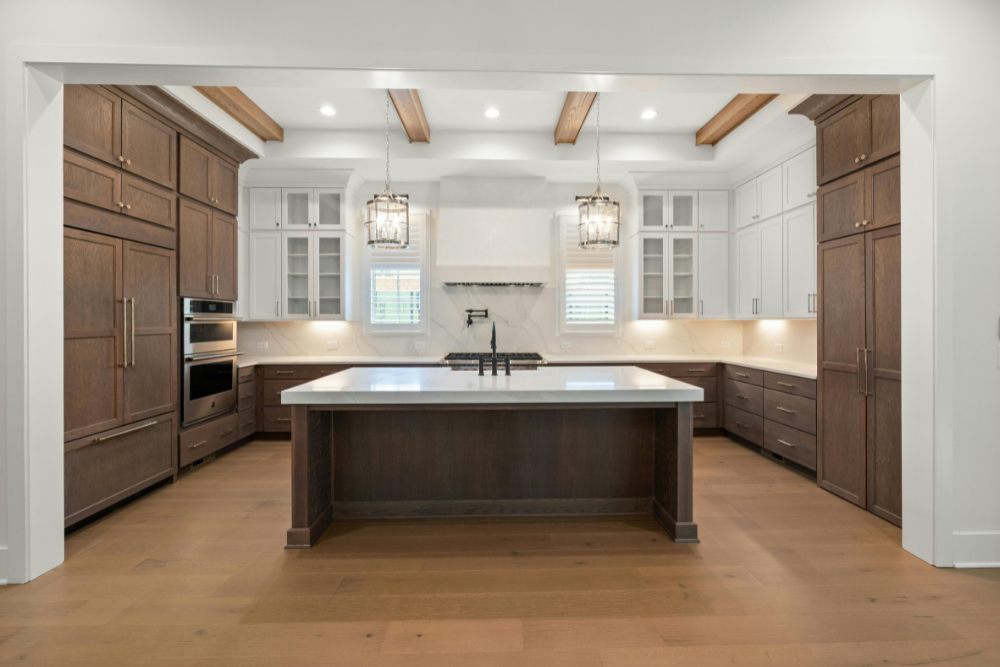
Natural wood is one of the most important kitchen cabinet trends right now. Wood adds warmth, texture, and natural variation to a kitchen and works especially well with the organic, earthy design direction influencing today's interiors. Light and medium wood tones can also provide warmth without making a kitchen feel overly traditional.
For years, painted cabinetry dominated kitchen inspiration. White kitchens in particular became the default choice for homeowners looking for a bright and timeless space.
Wood is playing a larger role again. Instead of the heavily stained and ornate wood kitchens associated with certain older styles, today's wood cabinetry tends to feel cleaner and more intentional.
Think:
- Natural-looking grain
- Light to medium wood tones
- Cleaner cabinet profiles
- Minimal ornamentation
- Warm countertops
- Simple hardware
- Natural textures throughout the room
Wood can work in contemporary, transitional, organic, rustic, and traditional kitchens depending on the door style, finish, hardware, and surrounding materials.
2. White Oak Cabinets Continue to Stand Out
White oak cabinets are popular because they combine visible natural grain with a relatively light, warm appearance. They work with contemporary, transitional, organic, and minimalist kitchens and pair easily with many quartz, porcelain, granite, and quartzite countertop designs.
NKBA's research identified white oak as the leading wood species among the industry professionals surveyed. Its versatility is a major reason. White oak can provide enough texture to keep a neutral kitchen from feeling flat while remaining subtle enough to coordinate with many other materials.
For example, white oak can pair beautifully with:
- Cream or warm white countertops
- Marble-inspired quartz
- Light porcelain
- Quartzite
- Warm metals
- Black accents
- Soft green details
- Natural stone backsplashes
The exact finish matters. Two white oak cabinet samples can look surprisingly different depending on stain, grain, lighting, flooring, and surrounding finishes. Whenever possible, compare your cabinet and countertop samples together before making a final decision.
3. Warm Neutral Cabinets Are Replacing Some Stark Whites
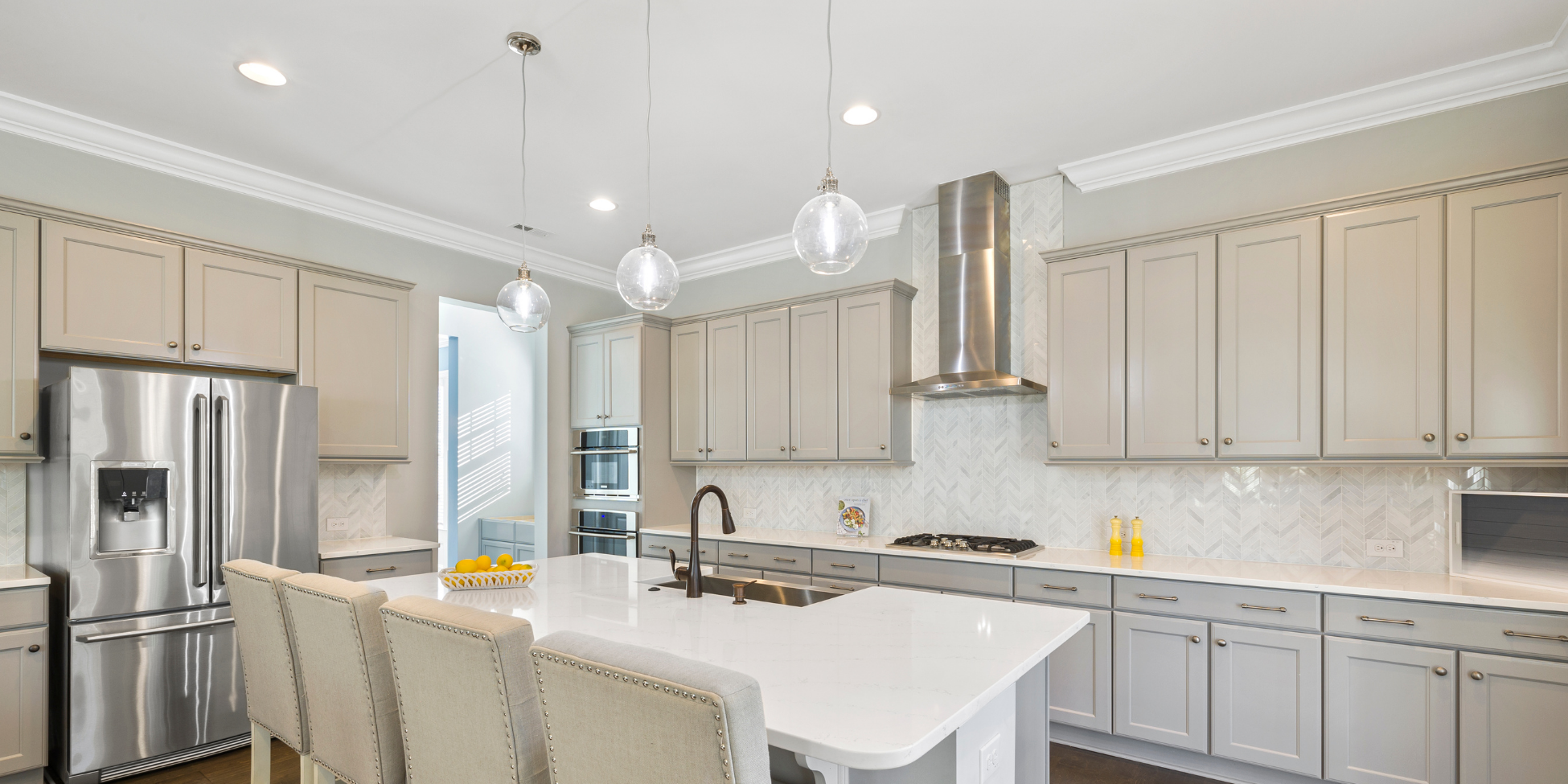
White cabinets remain a classic choice, but warmer neutrals are becoming increasingly important in kitchens. Cream, off-white, beige, taupe, mushroom, greige, and other warm neutral cabinetry can maintain a bright kitchen while creating a softer and more inviting appearance than stark white.
This doesn't mean white kitchens are "out." White remains versatile and can still be an excellent cabinet choice. The difference is that homeowners now have a much broader neutral palette to consider. A warmer cabinet color can also coordinate beautifully with natural wood flooring, warm countertop veining, brass or bronze hardware, and earthy backsplash materials.
When evaluating neutral cabinets, pay attention to undertones. A cabinet that looks cream in the showroom may look yellow beside a cool countertop. A greige cabinet can appear gray in one kitchen and beige in another. Always evaluate cabinet colors alongside the countertop, backsplash, flooring, wall color, and lighting you plan to use.
4. Green Kitchen Cabinets Are Becoming a Sophisticated Alternative to Neutrals
Green cabinets remain a strong choice for homeowners who want color without creating an overly bold kitchen. Muted olive, sage, forest, and gray-green tones can complement natural wood, stone, quartz, porcelain, brass hardware, and warm neutral finishes.
Green works particularly well with the broader movement toward organic and nature-inspired interiors. Instead of treating green like a temporary accent color, certain muted shades can function almost like neutrals. A soft sage island, for example, can introduce personality into an otherwise neutral kitchen without dominating the entire room.
Deeper greens can create a more dramatic appearance, particularly when paired with lighter countertops. If you're nervous about committing to colored cabinetry throughout the entire kitchen, consider introducing green on:
- The island
- Lower cabinets
- A beverage station
- A pantry
- A built-in hutch
- A smaller secondary cabinet area
This creates a focal point without requiring every cabinet to be the same color.
5. Two-Tone Kitchens Are Becoming More Intentional
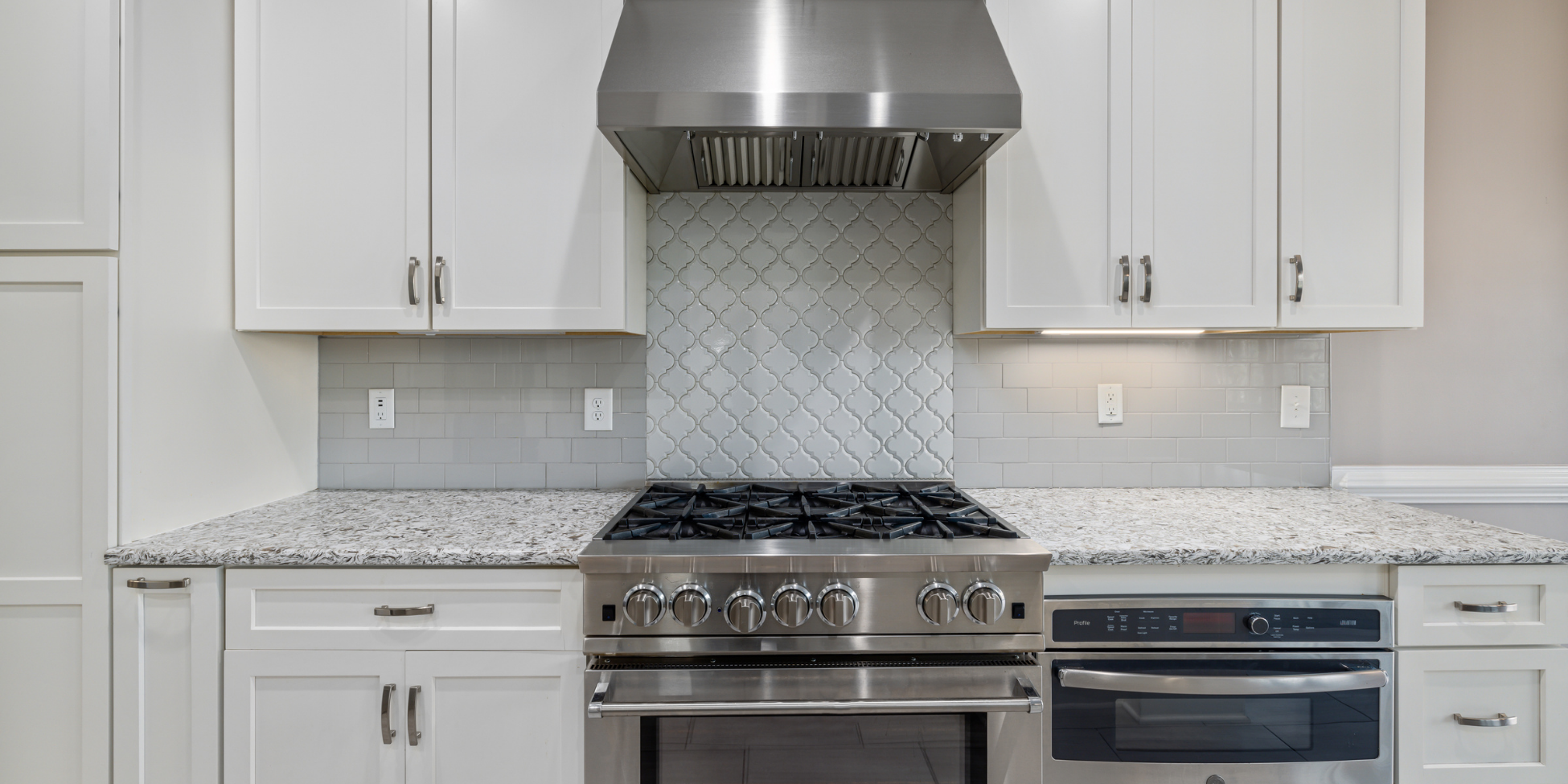
Two-tone kitchen cabinets remain relevant, but the most successful combinations tend to feel purposeful rather than random. A contrasting island, natural wood paired with painted perimeter cabinets, or darker lower cabinets with lighter uppers can add depth while keeping the overall kitchen cohesive. The easiest way to make a two-tone kitchen work is to establish one dominant finish and one supporting finish.
For example:
Warm white perimeter cabinets + natural wood island
This creates contrast while keeping both finishes neutral.
Another option might be:
White oak cabinetry + muted green island
Or:
Cream upper cabinets + deeper taupe lower cabinets
The countertop can help visually connect the two cabinet finishes. If the island and perimeter cabinets are different colors, using the same countertop across both can create continuity.
6. Shaker Cabinets Aren't Going Away
Shaker cabinets remain a versatile kitchen cabinet style because their simple framed design works across traditional, transitional, farmhouse, and contemporary interiors. Homeowners may gravitate toward cleaner, slimmer, or simplified Shaker profiles rather than heavily detailed versions.
Shaker doors have remained popular for a reason. They're adaptable. Change the cabinet color, hardware, countertop, and backsplash, and the same basic door style can look dramatically different. A white Shaker cabinet with brushed nickel hardware and gray quartz may feel completely different from a warm taupe Shaker cabinet paired with quartzite and aged brass.
If longevity is important, Shaker cabinetry remains one of the safer choices for homeowners who want character without excessive ornamentation.
7. Flat-Panel and Slab Cabinet Doors Are Growing
Flat-panel or slab cabinet doors are becoming increasingly popular for homeowners who want a cleaner, more streamlined kitchen. Their minimal detailing works particularly well in modern, contemporary, and organic-modern spaces and allows materials such as wood grain, countertops, backsplashes, and lighting to become stronger visual features.
NKBA's research specifically identifies flat/slab cabinet doors as a growing trend. Slab doors can be especially striking in natural wood because the uninterrupted surface allows the grain to become part of the design.
They can also work beautifully with painted finishes. The important consideration is the overall architecture of the home. A highly contemporary slab-door kitchen may look fantastic in one house and disconnected in another. Your kitchen doesn't need to copy the architectural style of your home exactly, but the two should feel related.
8. Floor-to-Ceiling Cabinetry Is Maximizing Storage
Floor-to-ceiling cabinetry is becoming more popular because it takes advantage of vertical space, increases storage, and reduces the unused area that often collects dust above standard upper cabinets. Tall cabinetry can also make a kitchen feel more built-in and architecturally intentional.
Storage is one of the most practical areas where trends can actually improve daily life.
Tall cabinetry can be used for:
- Pantry storage
- Small appliances
- Serving pieces
- Seasonal items
- Baking supplies
- Cleaning supplies
- Less frequently used cookware
The design needs to remain practical.
The highest shelves won't be convenient for everyday items, but they're useful for things you don't need regularly. A kitchen designer can help determine where taller cabinetry adds meaningful storage and where it might make the room feel too enclosed.
9. Deep Drawers Are Replacing Some Traditional Lower Cabinets
Deep drawers are increasingly used instead of standard lower cabinet doors because they make pots, pans, dishes, food containers, and other kitchen items easier to see and access. Rather than reaching into the back of a deep cabinet, homeowners can pull the entire storage area toward them. This is a perfect example of a kitchen trend that isn't just aesthetic.
It's functional. Wide drawers can work particularly well for:
- Pots and pans
- Mixing bowls
- Plates
- Food storage containers
- Baking supplies
- Small appliances
Interior organizers can make them even more useful. When planning new cabinets, think about what will actually live inside each cabinet or drawer before deciding how the storage should be configured.
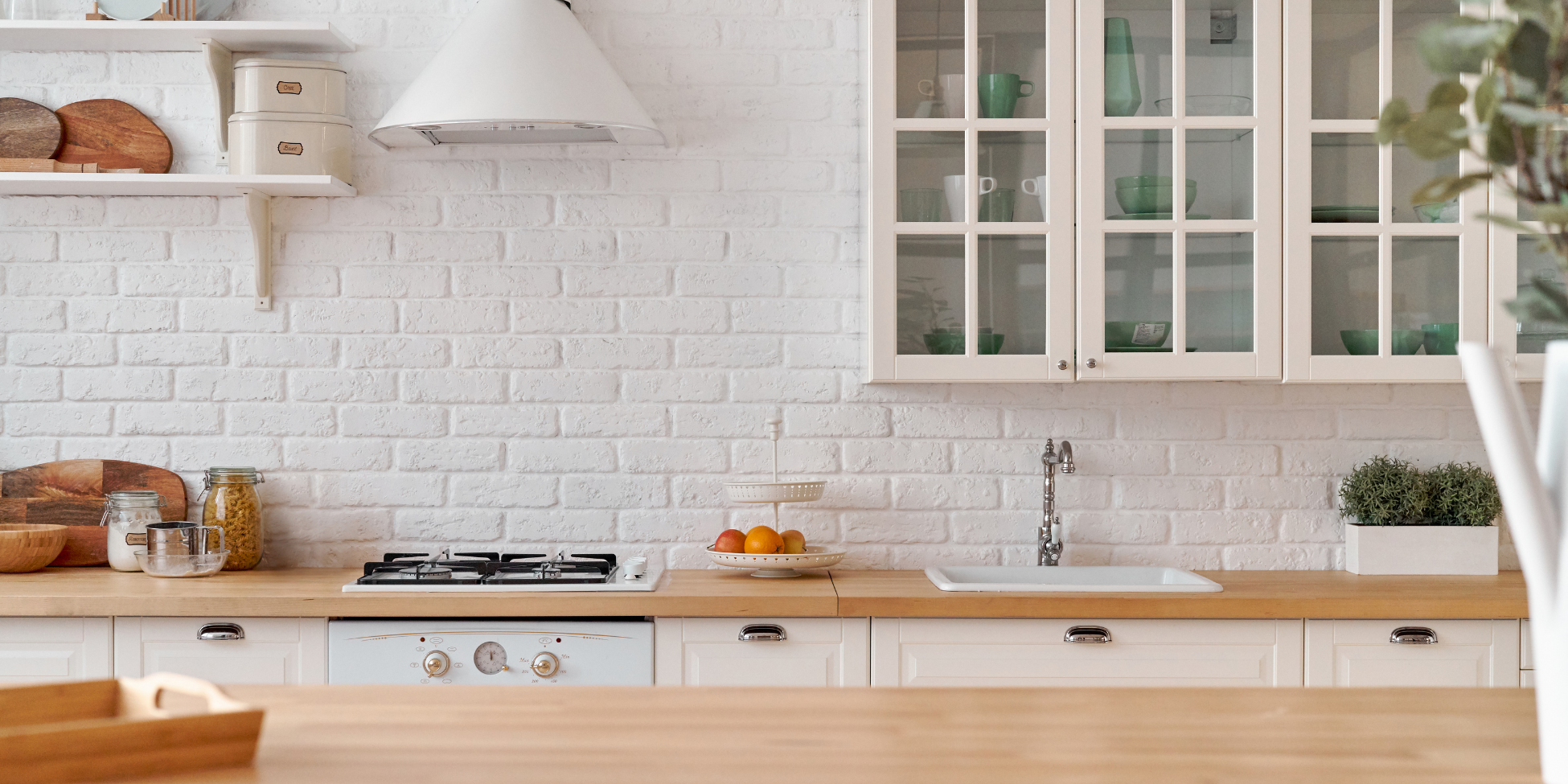
10. Appliance Garages Are Helping Keep Counters Clear
Appliance garages conceal frequently used countertop appliances while keeping them accessible. Coffee makers, blenders, mixers, toasters, and other small appliances can remain plugged in and ready to use without permanently occupying visible countertop space.
This trend supports the broader movement toward visually calmer kitchens. Clear countertops make a kitchen look larger and more organized, but most households still need appliances within easy reach. An appliance garage creates a compromise between appearance and practicality.
Depending on the design, it can include:
- Retractable doors
- Pocket doors
- Lift-up doors
- Interior outlets
- Adjustable shelving
- Dedicated coffee or breakfast stations
Plan these areas early so electrical requirements and cabinet dimensions can be incorporated into the design.
11. Beverage and Coffee Stations Are Becoming Dedicated Cabinet Zones
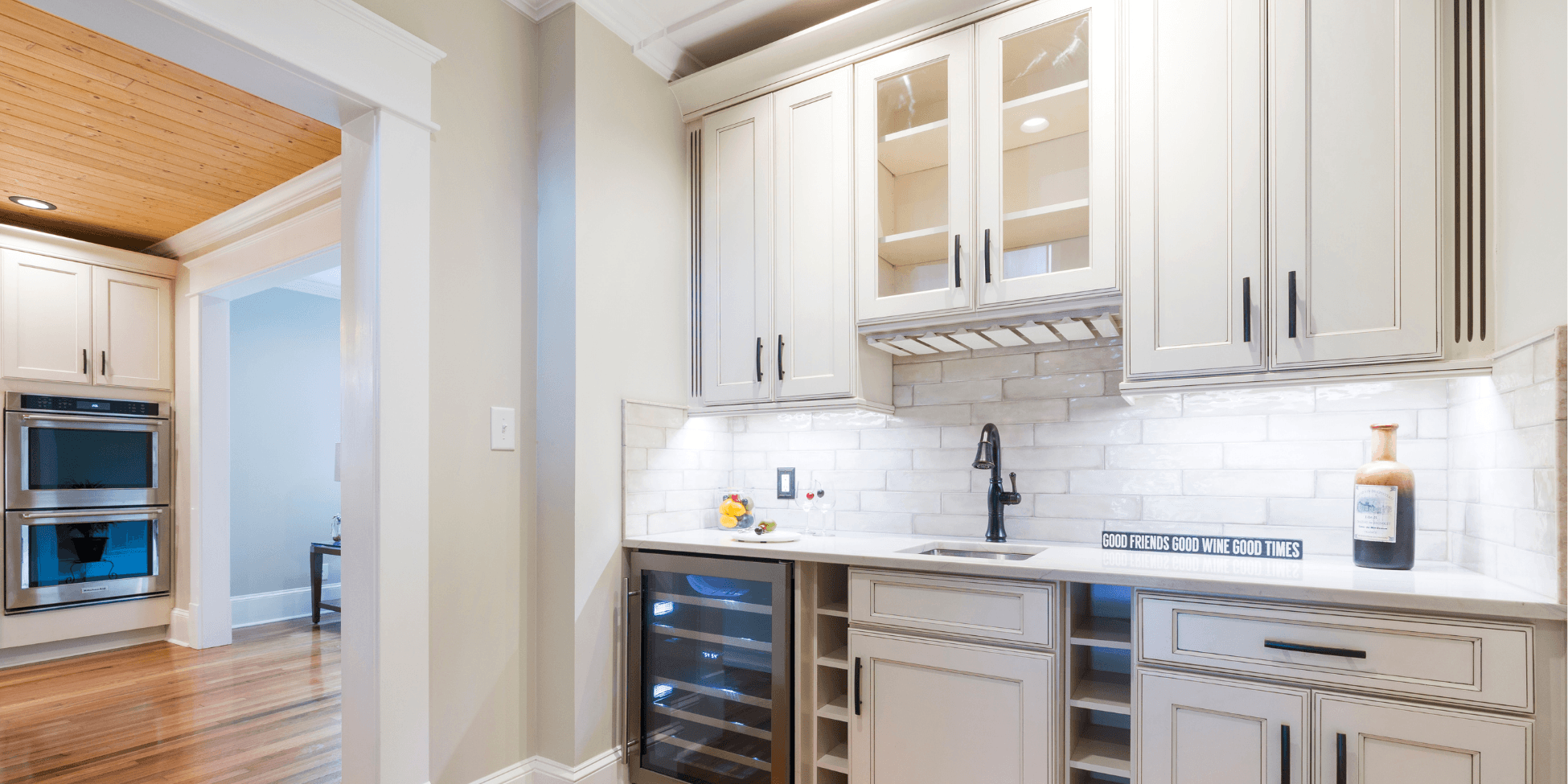
Dedicated beverage areas are increasingly being incorporated into kitchen cabinetry. Coffee stations, wine storage, beverage refrigerators, and breakfast areas can move secondary activities away from the main cooking zone and make the kitchen easier for multiple people to use simultaneously.
NKBA's research found dedicated beverage areas among the leading lifestyle features expected to remain popular. This can be especially useful in households where several people use the kitchen at the same time. Someone can make coffee without standing directly in the primary cooking area.
Guests can access drinks without walking through the work zone. A beverage station can be elaborate, but it doesn't have to be. Even a smaller section of cabinetry with a coffee maker, mugs, drawers, and an undercounter refrigerator can improve how a kitchen functions.
12. Paneled Appliances Are Creating a More Seamless Kitchen
Panel-ready refrigerators and dishwashers allow appliances to visually blend into surrounding cabinetry. The result is a more seamless appearance with fewer competing finishes, which can be particularly effective in open-concept homes where the kitchen is visible from living and entertaining areas.
This trend aligns with the movement toward whole-home continuity. Instead of the kitchen looking like a collection of appliances and cabinets, cabinetry can become a more unified architectural element. Paneled appliances won't be necessary or practical for every project. They generally require compatible appliances and should be planned before cabinetry is ordered. If you like the look, bring it up early in the design process.
13. Kitchen Islands Are Becoming Statement Pieces
The kitchen island remains one of the easiest places to introduce contrast. Homeowners are using different cabinet colors, wood finishes, countertop materials, storage configurations, seating, and lighting to make islands both functional workspaces and visual focal points.
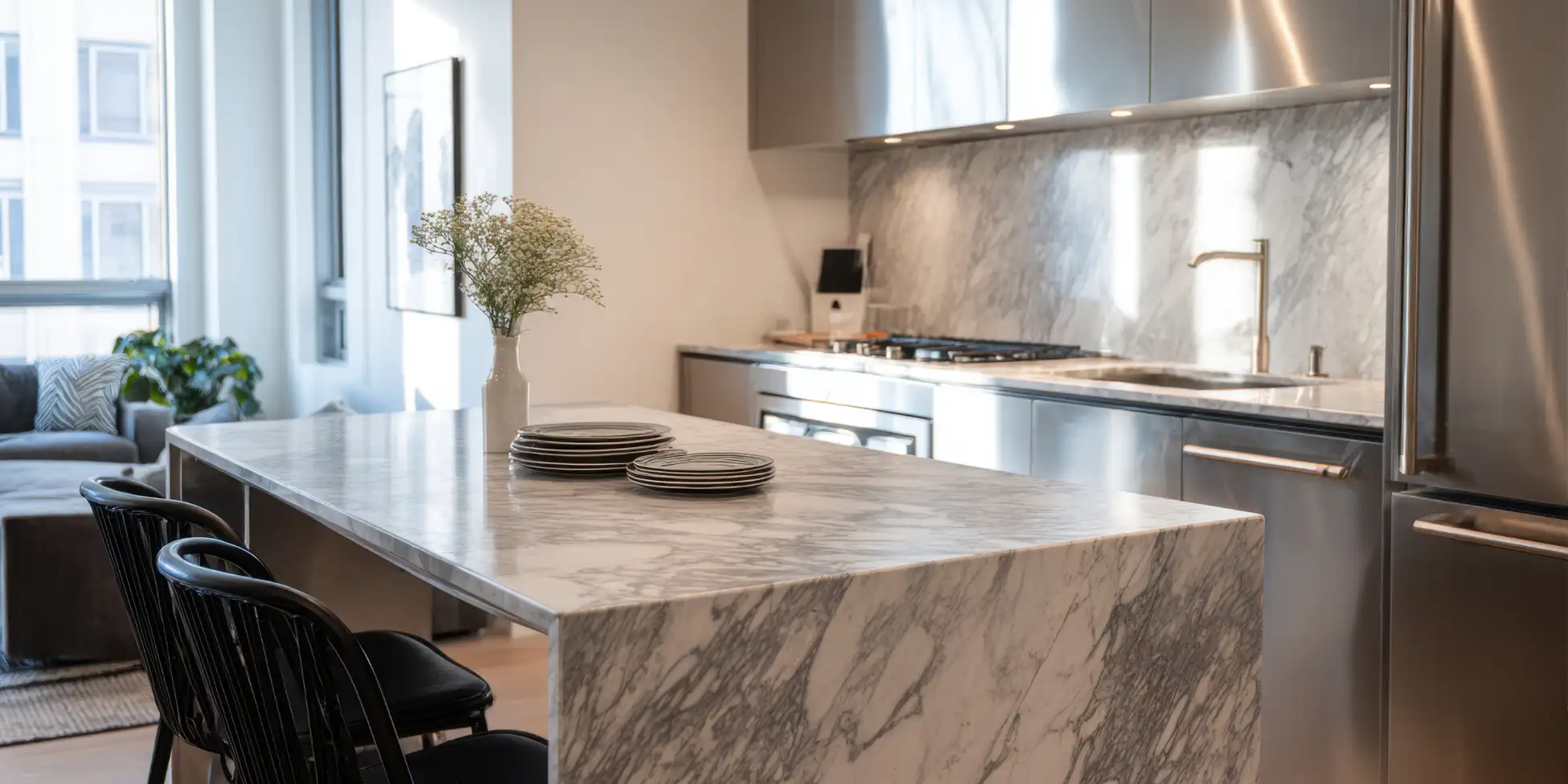
An island doesn't need to match the perimeter cabinets. In fact, deliberately changing the finish can make the design more interesting. A natural wood island can warm up painted cabinets. A green or dark island can add contrast to a neutral kitchen. A waterfall countertop can turn the island into a stronger architectural feature. But functionality should come first.
Before deciding how your island looks, determine what it needs to do.
Will it contain:
- A sink?
- Dishwasher?
- Trash pullout?
- Microwave?
- Drawers?
- Seating?
- Cooktop?
- Beverage refrigerator?
- Electrical outlets?
- Storage on both sides?
The best island combines appearance with everyday usefulness.
What Kitchen Cabinet Colors Are Timeless?
White, warm neutrals, and natural wood are among the most adaptable cabinet choices because they can work with a wide range of countertops, backsplashes, hardware, flooring, and decorating styles. A timeless kitchen generally relies more on balanced materials and proportions than on choosing one supposedly timeless color.
It's impossible to guarantee that any cabinet style will never look dated. Design changes. Homes change. Personal tastes change. Instead of asking only, "Will this still be trendy in ten years?" ask: Does this cabinet style fit my home? Do I genuinely like this color?
Can I change smaller design elements around it later?
Cabinets in a versatile color or wood finish give you more flexibility to update hardware, lighting, wall color, furniture, and accessories without replacing the cabinetry.
Are White Kitchen Cabinets Out of Style?
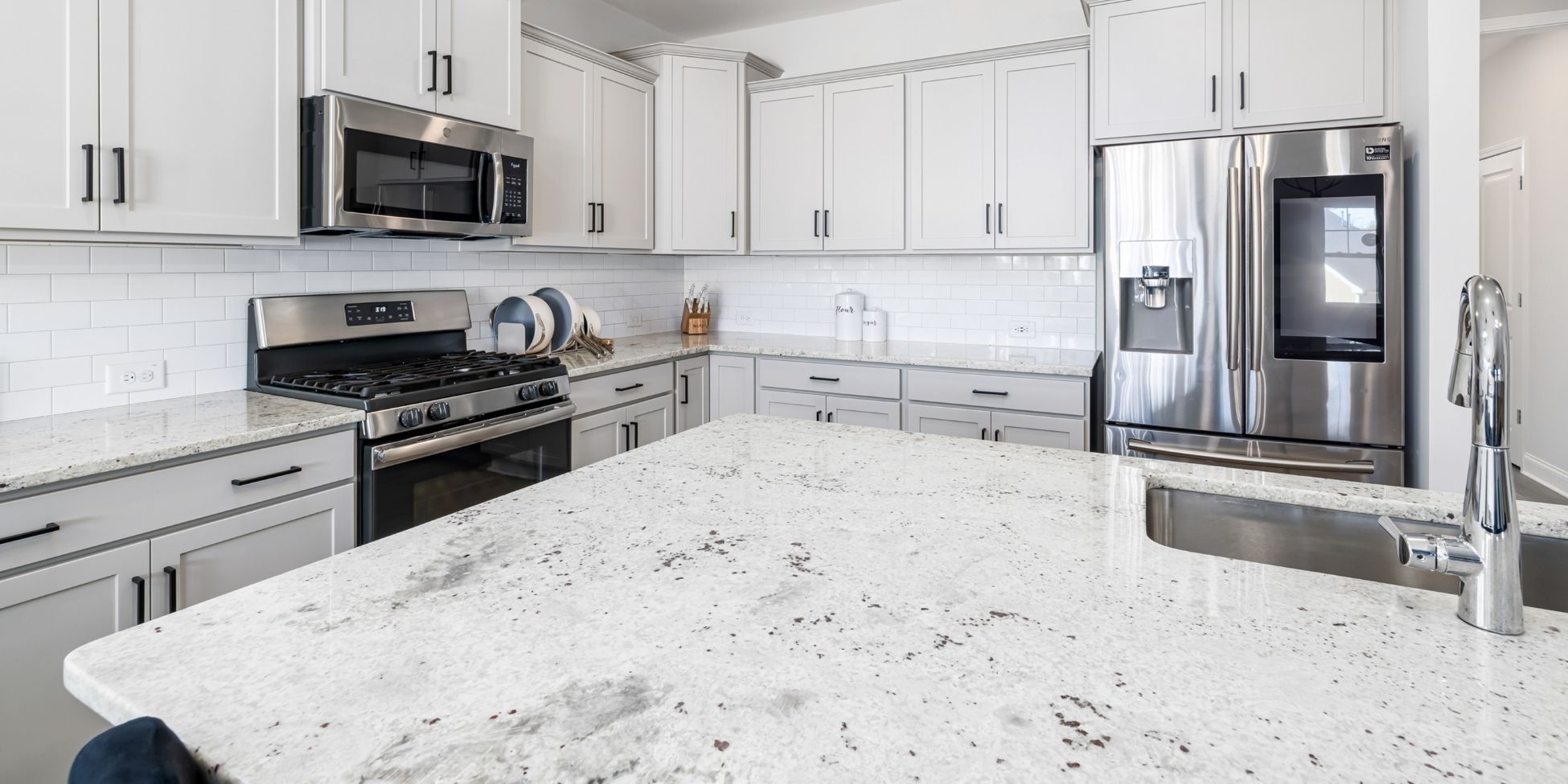
No. White kitchen cabinets are not out of style. Natural wood has gained popularity and warmer neutrals are expanding homeowners' options, but white remains a versatile cabinet choice. The bigger shift is away from treating bright white as the automatic default for every kitchen. White can still be an excellent choice when it complements the home's architecture and other finishes.
The difference is in how it's used. Instead of combining stark white cabinets with cool gray surfaces everywhere, homeowners may pair white or off-white cabinetry with:
- Warm wood
- Natural stone
- Warm-veined quartz
- Porcelain
- Brass or bronze hardware
- Organic textures
- Softer wall colors
That creates warmth while preserving the brightness people like about white cabinetry.
Should You Choose Cabinets or Countertops First?
Cabinets and countertops should ideally be considered together during the design process. Cabinets are generally installed before countertops are templated and installed, but coordinating both selections early helps ensure the colors, undertones, patterns, and overall style work together.
You don't want to choose cabinets in isolation and then discover that none of your preferred countertops coordinate well with them. Likewise, choosing a dramatic countertop first may significantly narrow your cabinet options.
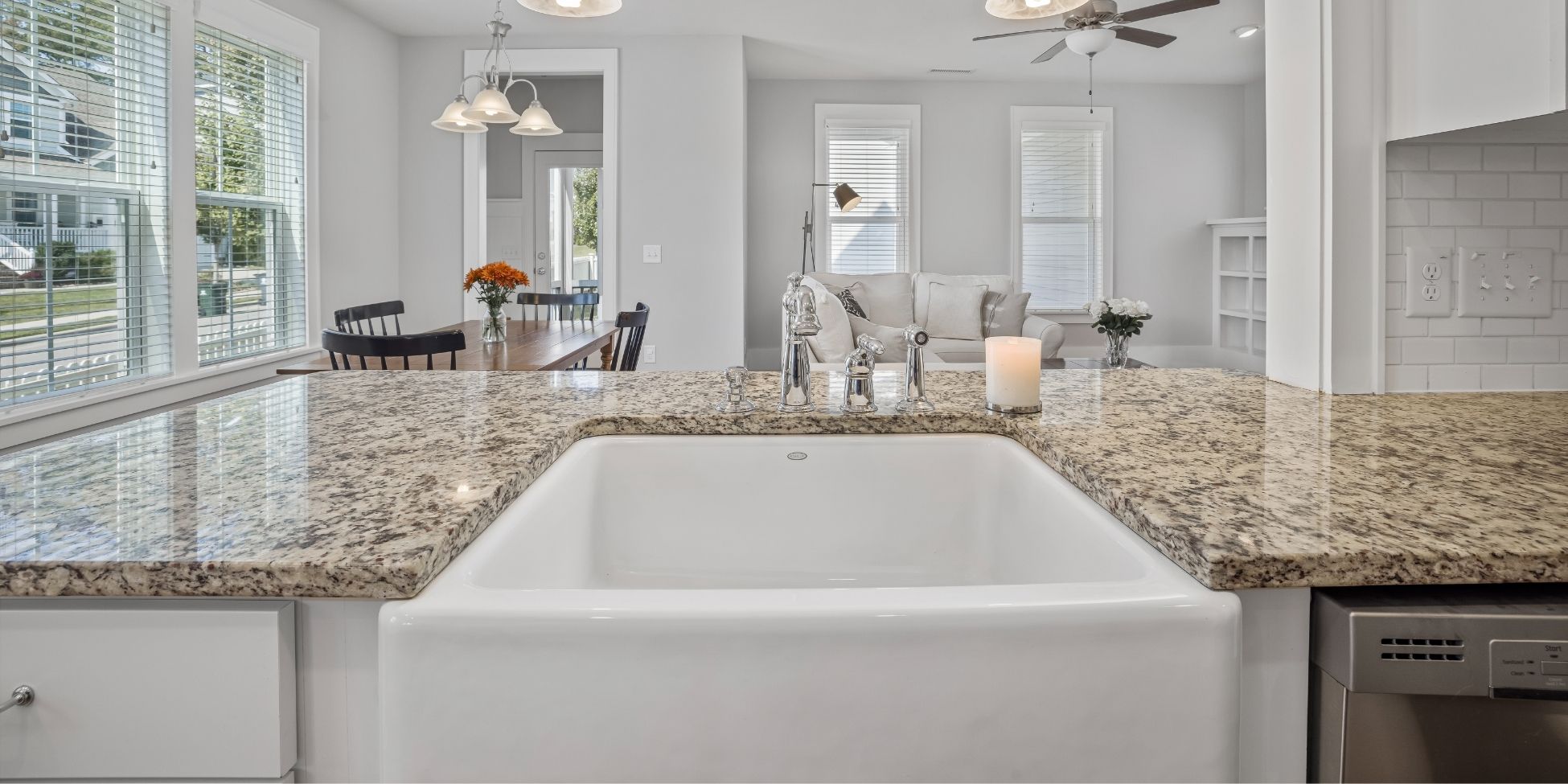
Bring samples together whenever possible. Compare them under similar lighting to what you'll have at home. If quartz is one of the materials you're considering, our quartz countertops in Tyler, TX guide covers colors, costs, maintenance, pros and cons, and installation considerations.
How Should Cabinets and Countertops Work Together?
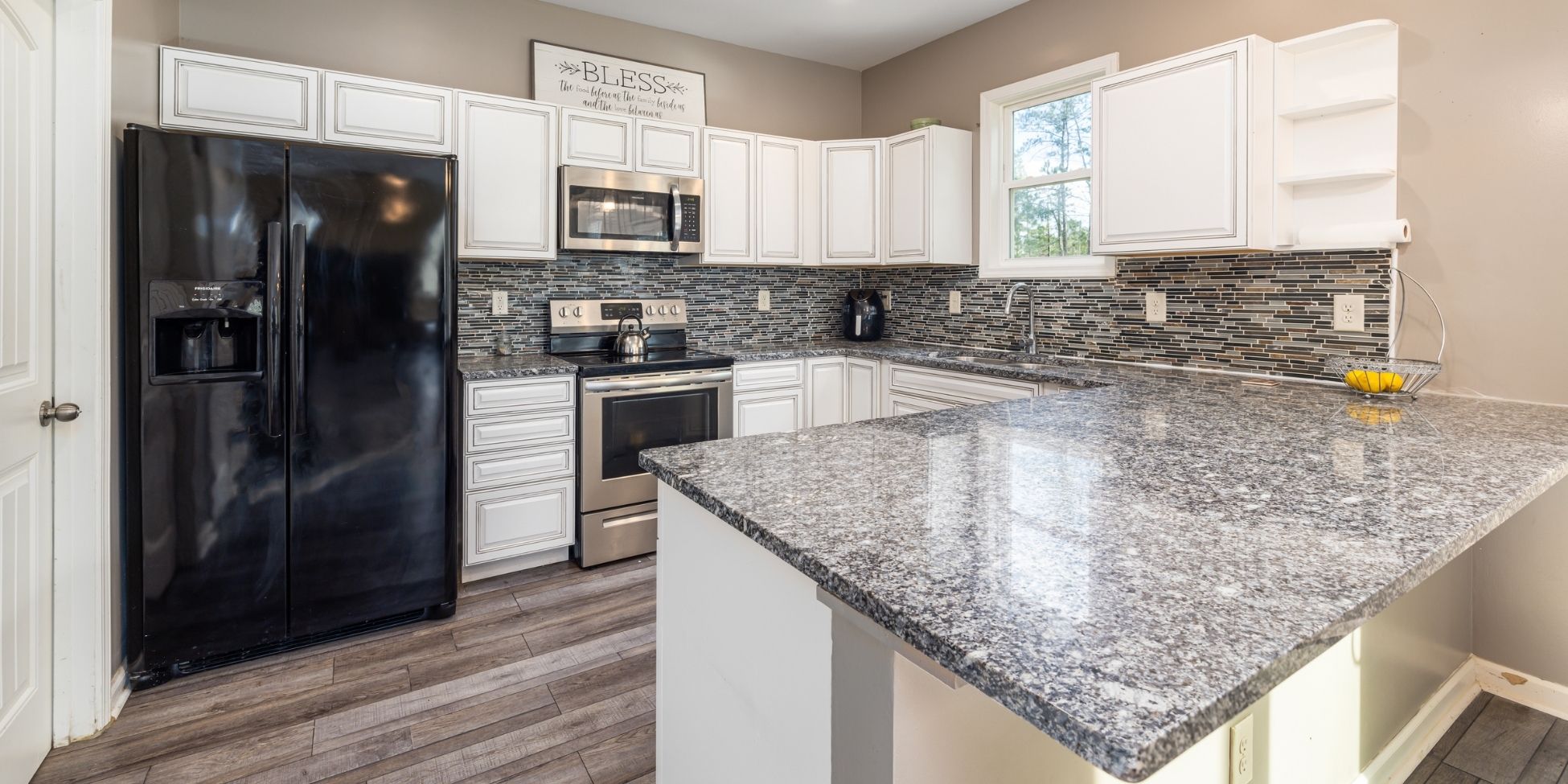
Cabinets and countertops don't need to match, but they should share a visual relationship. Consider undertones, contrast, pattern, texture, and which material you want to become the focal point. If the countertop has dramatic movement, simpler cabinetry can provide balance. If the cabinets are bold, a quieter countertop may work better.
One of the most common design mistakes is choosing every surface independently. A cabinet sample may look beautiful. A countertop slab may look beautiful. A backsplash may look beautiful. But that doesn't guarantee they look beautiful together.
Think of the kitchen as one composition. If your countertop has dramatic veining, you may not need a highly patterned backsplash. If your cabinetry has strong wood grain, consider whether another heavily patterned material competes with it. If everything is neutral, use texture, lighting, hardware, and contrast to keep the space interesting.
What Cabinet Storage Features Are Worth Considering?
The best cabinet storage features solve problems you actually have. Deep drawers, pull-out trash storage, tray dividers, pantry pull-outs, appliance garages, corner solutions, spice storage, charging areas, and customized drawer inserts can make a kitchen easier to use when they're planned around your household's routines.
Don't add organizers just because they're available. Start by identifying what frustrates you about your current kitchen. Do pots end up stacked awkwardly? Is the trash can always in the way? Do appliances clutter the countertops?
Can you never find lids? Do baking sheets fall over? Does your pantry waste space? Those answers should determine which cabinet features deserve your budget.
How Do You Choose Kitchen Cabinets for a Tyler, TX Home?
Tyler homeowners should choose cabinets based on the home's architecture, kitchen size, natural light, storage needs, lifestyle, countertop selection, and long-term design preferences. Trends can provide inspiration, but the final cabinet design should make the kitchen easier to use while complementing the rest of the home.
East Texas homes include a wide range of architectural and interior styles. A cabinet design that looks perfect in a sleek contemporary home may not be the best fit for a more traditional property. Likewise, a smaller kitchen with limited natural light may benefit from a different cabinet color strategy than a large kitchen with oversized windows.
Consider:
- Your home's existing style
- Amount of natural light
- Kitchen size and ceiling height
- Storage requirements
- Cooking habits
- Number of people regularly using the kitchen
- Countertop material
- Flooring
- Appliances
- Long-term maintenance expectations
The best cabinet choice is one that works with all ten, not simply the color getting the most attention on social media this year.
Why Professional Kitchen Design Matters
Professional kitchen design helps turn cabinet inspiration into a functional plan. Cabinet dimensions, appliance clearances, storage, traffic flow, countertop support, plumbing, electrical needs, island placement, door swings, and installation requirements all need to work together before cabinetry is ordered. A beautiful cabinet finish can't compensate for a kitchen that's frustrating to use.
The Cabinet & Countertop Store helps homeowners coordinate cabinetry, countertops, fabrication, installation, and overall kitchen design instead of treating each selection as a separate decision. Explore our cabinet and countertop services to learn more about planning your kitchen project in Tyler and surrounding East Texas communities.
Which Kitchen Cabinet Trends Are Worth Investing In?
The strongest kitchen cabinet trends are the ones that improve functionality or use materials you genuinely love. Better storage, quality cabinetry, natural wood, versatile colors, thoughtful lighting, and well-planned layouts are more likely to provide long-term value than highly specific decorative trends.
If you're deciding where to invest, prioritize: Function first. Better drawers, storage, organization, and layout affect your kitchen every day. Quality second. Cabinet construction, hardware, installation, and finish quality matter long after a trend disappears.
Timeless foundation third. Choose the major elements you expect to enjoy for years. Introduce more temporary trends through hardware, lighting, paint, accessories, stools, and decor when possible. That doesn't mean your kitchen should be boring. It means the expensive pieces should be chosen deliberately.
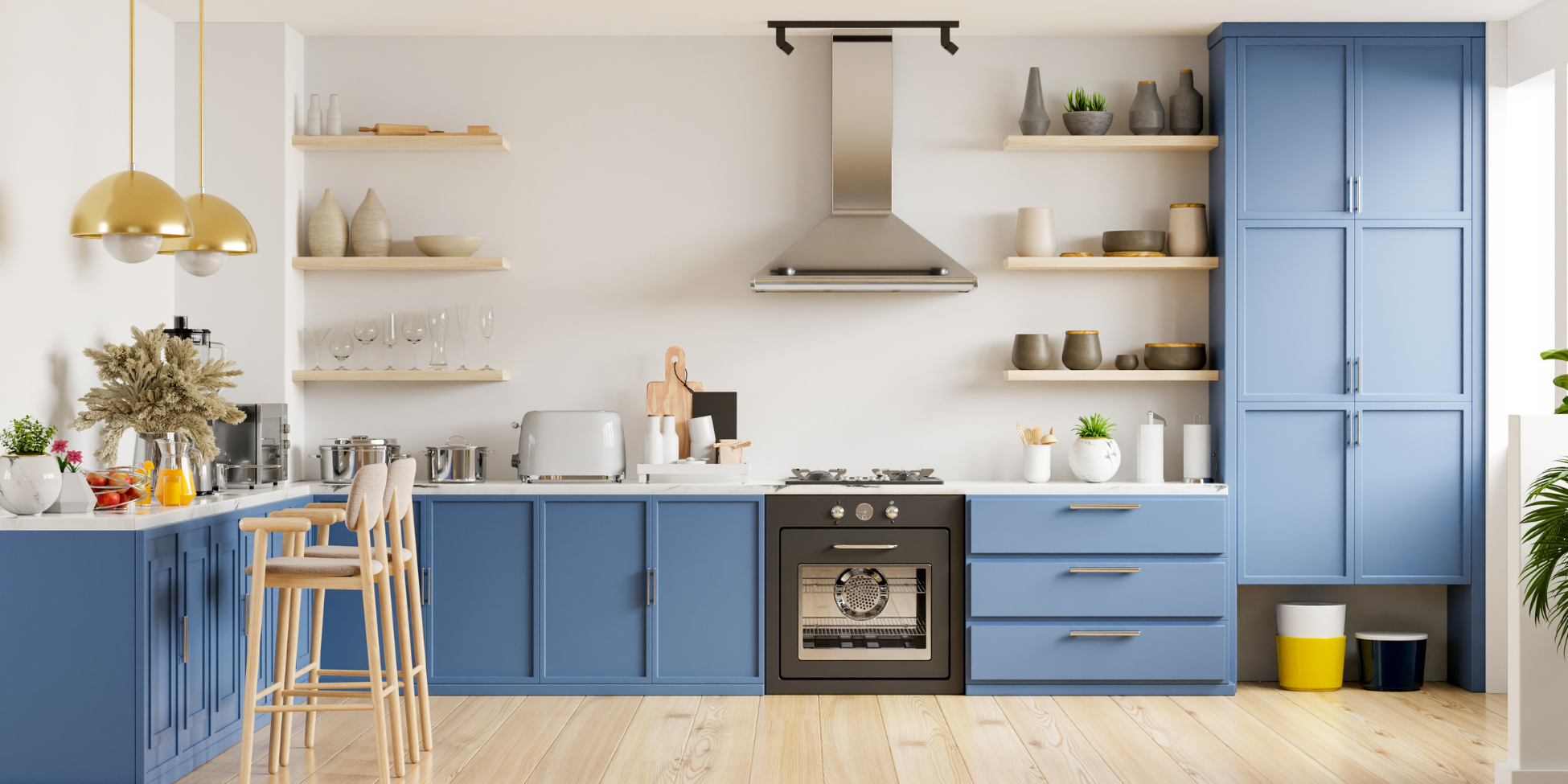
Frequently Asked Questions About Kitchen Cabinets in Tyler, TX
What Kitchen Cabinet Colors Are Trending?
Natural wood, warm neutrals, white, off-white, muted greens, and other organic colors are prominent in kitchen design. Current industry research shows increasing interest in wood cabinetry and natural materials. The right color still depends on your home's lighting, flooring, countertops, architecture, and personal preferences.
Are White Cabinets Still Popular?
Yes. White cabinets remain a popular and versatile kitchen choice, although they're no longer the only dominant option. Natural wood and warmer neutral cabinetry have gained significant attention. Homeowners who like white can keep the look current by pairing it with warmer countertops, natural wood, organic textures, and less sterile finishes.
What Wood Is Popular for Kitchen Cabinets?
White oak is one of the standout cabinet woods in current kitchen design. Its visible grain and light-to-medium coloring work well with contemporary, transitional, and organic interiors. Other wood species and finishes can also work beautifully depending on the desired color, grain, durability, budget, and overall kitchen design.
Are Shaker Cabinets Going Out of Style?
Shaker cabinets are not disappearing. Their relatively simple construction allows them to work across many design styles. However, cleaner Shaker profiles and flat-panel doors are gaining attention as homeowners move toward more streamlined kitchens. The right door style should complement your home's architecture rather than follow a trend alone.
Are Two-Tone Kitchen Cabinets Still Popular?
Yes. Two-tone kitchens remain a useful way to create contrast and visual interest. Popular approaches include natural wood islands with painted perimeter cabinets, darker islands with lighter cabinets, or combinations of wood and warm neutral finishes. Keeping one dominant finish usually creates a more cohesive result.
What Kitchen Cabinets Make a Small Kitchen Look Bigger?
Light cabinetry can help a small kitchen feel brighter, while simplified door styles and consistent colors can reduce visual clutter. Taking cabinets closer to the ceiling can emphasize height and provide additional storage. Good lighting, reflective surfaces, thoughtful layout, and keeping countertops relatively clear can also make the room feel more open.
What Cabinet Features Add the Most Storage?
Deep drawers, floor-to-ceiling cabinets, pantry pull-outs, corner storage solutions, appliance garages, tray dividers, pull-out trash cabinets, and customized drawer organizers can improve usable storage. The most valuable features depend on what you store and how you use your kitchen, so storage should be planned around your household.
Should Kitchen Cabinets Match the Countertops?
Cabinets and countertops don't need to match, but they should coordinate. Consider undertones, contrast, pattern, and visual weight. A dramatic countertop often looks best with simpler cabinetry, while a more understated countertop can allow wood grain or cabinet color to become the focal point.
Should I Pick Cabinets or Countertops First?
Ideally, consider both at the same time. Cabinets are normally installed before countertops are measured and installed, but selecting the general cabinet and countertop direction together helps avoid conflicts in color, undertone, pattern, and style.
Start Designing Your Kitchen
Before committing to a cabinet color or door style, see how your cabinetry works with the rest of the room. Use our Design Your Kitchen tool to experiment with cabinet and countertop combinations and begin visualizing your new kitchen.
Planning more than one space? You can also use our Design Your Bathroom tool to explore colors, materials, and design ideas for your bathroom renovation.
Find Kitchen Cabinets in Tyler, TX
The best kitchen cabinet trends aren't simply about choosing this year's most popular color. They're about creating kitchens that feel warmer, more personal, better organized, and easier to use.
Natural wood, white oak, warm neutrals, simplified cabinet doors, statement islands, appliance integration, deep drawers, and customized storage can all create a more functional kitchen when they're used intentionally.
The Cabinet & Countertop Store helps homeowners throughout Tyler, TX and surrounding East Texas communities coordinate cabinetry, countertops, design, fabrication, and professional installation.
Whether you're replacing your kitchen cabinets, selecting new countertops, or planning a larger kitchen renovation, our team can help you compare options and create a space that works for your home.
Ready to start planning your new kitchen?
Explore our cabinet and countertop services, use our kitchen design tools, or contact The Cabinet & Countertop Store to schedule a consultation and start designing your Tyler, TX kitchen.