Porcelain Countertops in Tyler, TX: Are They Better Than Quartz or Granite?
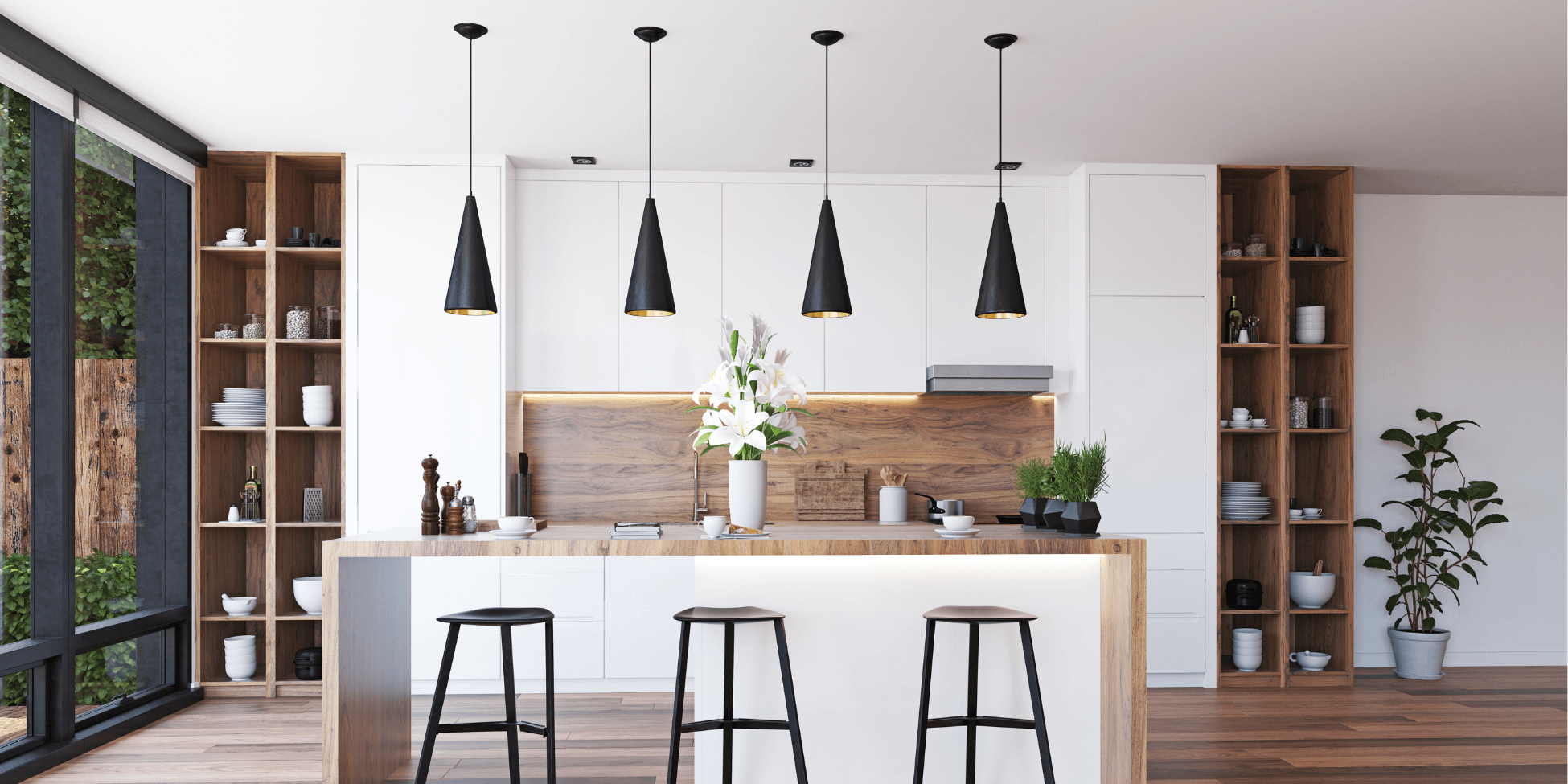
Porcelain countertops are durable, nonporous, highly resistant to heat and stains, and available in designs that recreate the look of marble and natural stone. Their UV resistance also makes porcelain especially appealing for outdoor kitchens and spaces exposed to Texas sunlight. But is porcelain actually better than quartz or granite?
The answer depends on your home, design preferences, maintenance expectations, and where you plan to use the surface. At The Cabinet & Countertop Store, we help East Texas homeowners compare countertop materials based on more than appearance. Here's what you should know before deciding whether porcelain is right for your project.
TL;DR: Are Porcelain Countertops Worth It?
Porcelain countertops are a durable, low-maintenance option for Tyler, TX homes, especially when heat, stains, sunlight, or outdoor use are concerns. Porcelain is nonporous, highly resistant to heat and UV exposure, and generally does not require sealing. Compared with quartz and granite, the best choice depends on your space, design preferences, and priorities.
Key takeaways:
- Best for heat and sunlight: Porcelain offers excellent heat and UV resistance, making it a strong option for indoor and outdoor kitchens.
- Low maintenance: Porcelain is nonporous and generally does not require routine sealing.
- Highly stain resistant: Its low porosity makes spills and everyday kitchen messes easier to manage.
- Versatile design: Porcelain can recreate the appearance of marble, natural stone, concrete, and other materials.
- Porcelain vs. quartz: Both are low maintenance, but porcelain can have an advantage for heat, UV exposure, and outdoor applications.
- Porcelain vs. granite: Porcelain offers lower maintenance and design consistency, while granite provides the unique appearance of genuine natural stone.
- One consideration: Porcelain is hard and durable, but exposed edges can chip from significant impact, making professional fabrication and installation important.

What Are Porcelain Countertops?
Porcelain countertops are made from highly refined natural materials that are formed into slabs and fired at extremely high temperatures. The result is a dense, nonporous surface with strong resistance to heat, stains, scratches, moisture, and UV exposure. Large-format porcelain slabs can be used for countertops, islands, backsplashes, walls, bathrooms, fireplaces, and outdoor spaces. Modern porcelain slabs are available in a wide variety of colors, patterns, textures, and finishes.
Many are designed to recreate the appearance of marble, concrete, and other natural materials while offering the low-maintenance characteristics of porcelain. Because large-format slabs can extend the same visual pattern across multiple surfaces, porcelain is also a versatile option for homeowners who want a cohesive design throughout a kitchen or bathroom.
What Are the Pros and Cons of Porcelain Countertops?
The biggest advantages of porcelain countertops are durability, heat and stain resistance, UV resistance, low maintenance, and design versatility. Potential drawbacks include the possibility of chipped edges from hard impacts and the need for a fabricator and installer experienced in working with large-format porcelain slabs.
Advantages of Porcelain Countertops
- Low maintenance: Porcelain is nonporous and generally does not require routine sealing.
- Heat resistant: Porcelain can tolerate high temperatures, making it particularly useful around cooking areas.
- Stain resistant: Its low porosity helps prevent liquids and common household spills from penetrating the surface.
- UV resistant: Porcelain's resistance to UV exposure makes it an excellent material to consider for outdoor kitchens and sun-filled spaces.
- Indoor and outdoor versatility: The material can be used for kitchen countertops, bathrooms, outdoor kitchens, wall cladding, fireplaces, backsplashes, and other applications.
- Extensive design choices: Porcelain can recreate marble, natural stone, concrete, and other high-end looks.
- Large-format applications: Porcelain slabs make it possible to carry a design across countertops, waterfall islands, backsplashes, and walls.
What Are the Disadvantages of Porcelain Countertops?
Porcelain is extremely durable, but that does not mean it is impossible to damage. A hard impact concentrated along an exposed edge may cause a chip. Fabrication also matters. Cutting, handling, creating edges, and installing large-format porcelain require precision. This is one reason the experience of your countertop fabricator and installer should be part of your decision, not just the slab itself.
Porcelain vs. Quartz vs. Granite: Which Countertop Is Better?
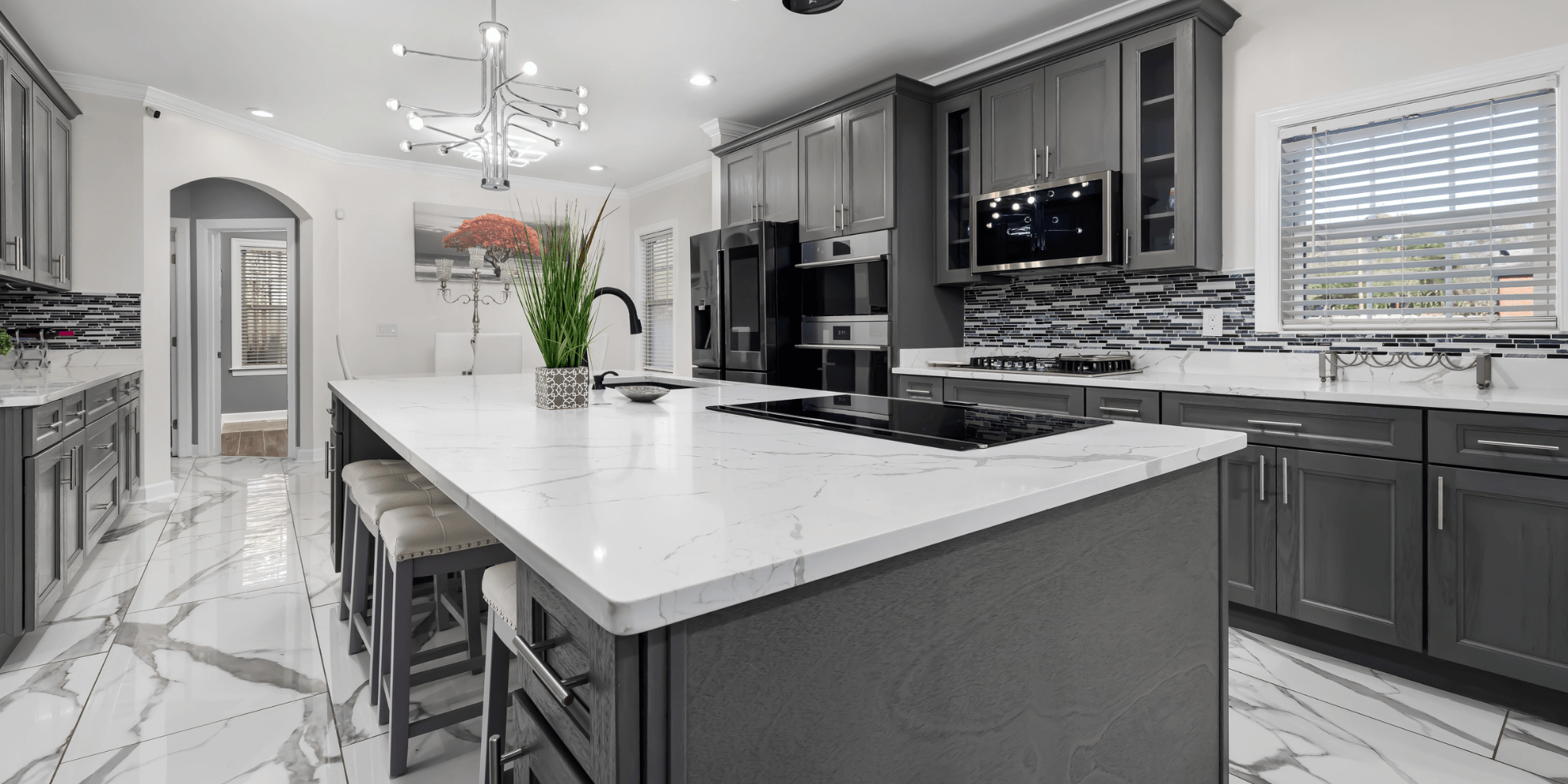
There isn't one countertop material that's best for every homeowner. Porcelain stands out for heat, UV, and stain resistance; quartz provides consistent designs and easy maintenance; and granite offers the one-of-a-kind character of natural stone. The best choice depends on where the countertop will be installed and how you use the space.
Porcelain vs. Quartz Countertops
Porcelain and quartz are both durable, nonporous, and low-maintenance surfaces, but porcelain generally has an advantage when high heat, direct sunlight, or outdoor use is a major consideration. Quartz remains an excellent indoor countertop choice for homeowners who want consistent patterns, extensive color options, and simple everyday maintenance. Engineered quartz contains resins, which is why manufacturers typically recommend using trivets or hot pads rather than placing very hot cookware directly on the surface.
Porcelain is produced differently and offers greater resistance to high temperatures and UV exposure. That can make it particularly appealing near cooking areas, in rooms with significant sunlight, or in outdoor living spaces. Both porcelain and quartz can be excellent choices for kitchen countertops. Your decision may ultimately come down to the specific design, application, heat and UV exposure, maintenance preferences, and budget.
If quartz is also on your shortlist, read our complete guide to quartz countertops in Tyler, TX to compare costs, colors, benefits, maintenance, and installation considerations before choosing your surface.
Porcelain vs. Granite Countertops
The biggest difference between porcelain and granite is that granite is natural stone, while porcelain is manufactured into slabs. Granite provides natural variation that makes every slab unique.
Porcelain provides greater design consistency, low porosity, minimal maintenance, and excellent resistance to stains, heat, and UV exposure. Granite remains popular for homeowners who love authentic natural stone and the variation found within each slab. Porcelain can recreate many natural-stone looks while eliminating some of the maintenance associated with porous stone. Unlike many granite surfaces, porcelain generally does not require routine sealing.
If the character and uniqueness of natural stone are your priority, granite may be the better fit. If low maintenance, design flexibility, and indoor/outdoor versatility matter more, porcelain deserves serious consideration.
Are Porcelain Countertops Good for Texas Homes?
Yes. Porcelain countertops can be particularly well suited to Texas homes because they resist heat, stains, moisture, and UV exposure. Those characteristics make porcelain useful not only for indoor kitchens and bathrooms but also for outdoor kitchens, covered patios, entertaining areas, and other spaces exposed to sunlight and changing temperatures.
For East Texas homeowners, versatility can be a significant advantage. You may want the elegance of marble inside without the same maintenance considerations. You may be designing an outdoor kitchen where UV exposure matters. Or you may simply want a surface that can stand up to a busy household without requiring extensive upkeep. Porcelain gives homeowners another option beyond the traditional quartz-versus-granite decision.
Are Porcelain Countertops Good for Outdoor Kitchens?
Porcelain is an excellent material to consider for outdoor kitchen countertops because it is resistant to UV exposure, heat, stains, moisture, and changing weather conditions. Unlike some surfaces that may discolor with prolonged sunlight exposure, outdoor-rated porcelain can maintain its appearance while providing a durable food-preparation and entertaining surface.
This is especially relevant in East Texas, where an outdoor kitchen may receive substantial sun and heat. Porcelain can also be used beyond the countertop itself. Depending on the product and project design, large-format slabs can create coordinated:
- Outdoor countertops
- Bar surfaces
- Backsplashes
- Fireplace surrounds
- Wall cladding
- Waterfall islands
- Outdoor dining surfaces
Proper fabrication and installation remain important. Outdoor countertops require appropriate support, spacing, adhesives, and installation methods for the specific slab and application.
Are Porcelain Countertops Heat Resistant?
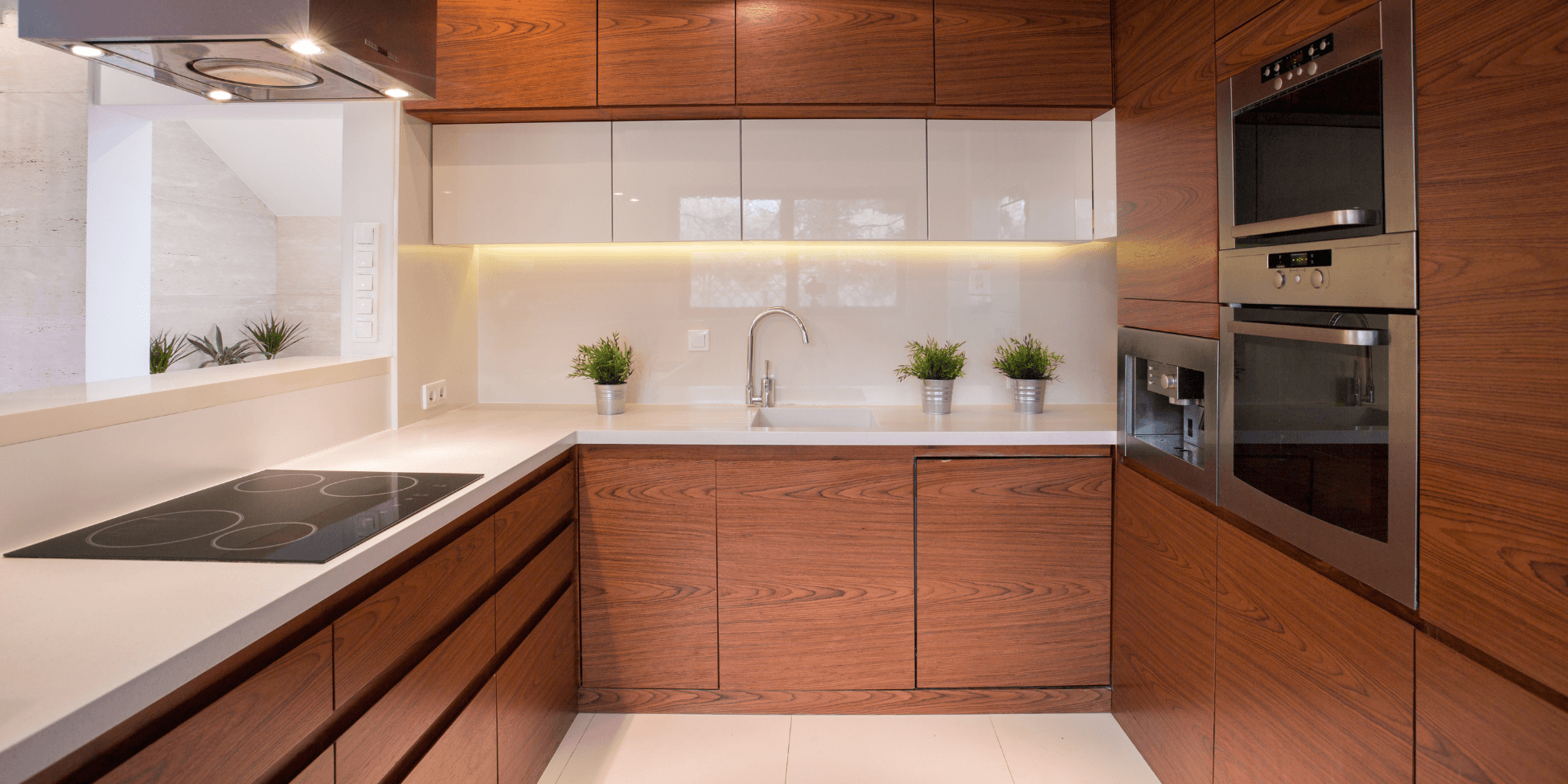
Yes. Porcelain countertops offer excellent heat resistance because porcelain is manufactured at extremely high temperatures. This makes the material well suited for kitchens, cooking areas, fireplaces, and some outdoor applications. However, homeowners should still follow the care instructions provided by the manufacturer of their specific porcelain slab.
Heat resistance is one area where porcelain can have an advantage over engineered quartz. Quartz manufacturers commonly recommend trivets or hot pads because prolonged or extreme heat can affect the resins within engineered quartz. Even with a highly heat-resistant surface such as porcelain, using trivets and following manufacturer care recommendations is a smart way to protect your investment.
Do Porcelain Countertops Stain?
Porcelain countertops are highly stain resistant because the surface is nonporous and absorbs very little moisture. Everyday spills such as coffee, sauces, oils, and drinks can generally be cleaned without penetrating the slab, making porcelain an attractive option for busy kitchens and other high-use areas. That doesn't mean spills should be left indefinitely. Cleaning spills promptly and using manufacturer-approved cleaning products will help keep any countertop looking its best.
Abrasive pads and harsh chemicals should also be avoided unless specifically approved by the slab manufacturer. For routine cleaning, porcelain typically requires little more than appropriate household cleaning products and a soft cloth or sponge.
Do Porcelain Countertops Need to Be Sealed?
Most porcelain countertop slabs do not require routine sealing because porcelain is nonporous. This differs from porous natural stones such as many granite and marble surfaces, which may require periodic sealing to help protect against staining and moisture absorption. Always follow the care recommendations for your specific slab. This can make porcelain appealing to homeowners looking for a lower-maintenance countertop.
Keep in mind that other materials associated with an installation may have different requirements. For example, certain types of grout may need sealing even when the porcelain itself does not.
Do Porcelain Countertops Chip Easily?
Porcelain is hard and highly scratch resistant, but its edges can be vulnerable to chips if they receive a concentrated, heavy impact. Proper fabrication, edge design, handling, and professional installation can help reduce the risk. Homeowners should avoid striking exposed countertop edges with heavy cookware or other hard objects. This is an important distinction when comparing countertop materials. "Durable" does not mean indestructible.
Every countertop has tradeoffs, and porcelain's edge characteristics are one reason experienced fabrication matters. For projects incorporating waterfall islands, thicker-looking profiles, or other architectural details, precise mitered-edge fabrication can also make a substantial difference in the finished appearance.
What Do Porcelain Countertops Look Like?
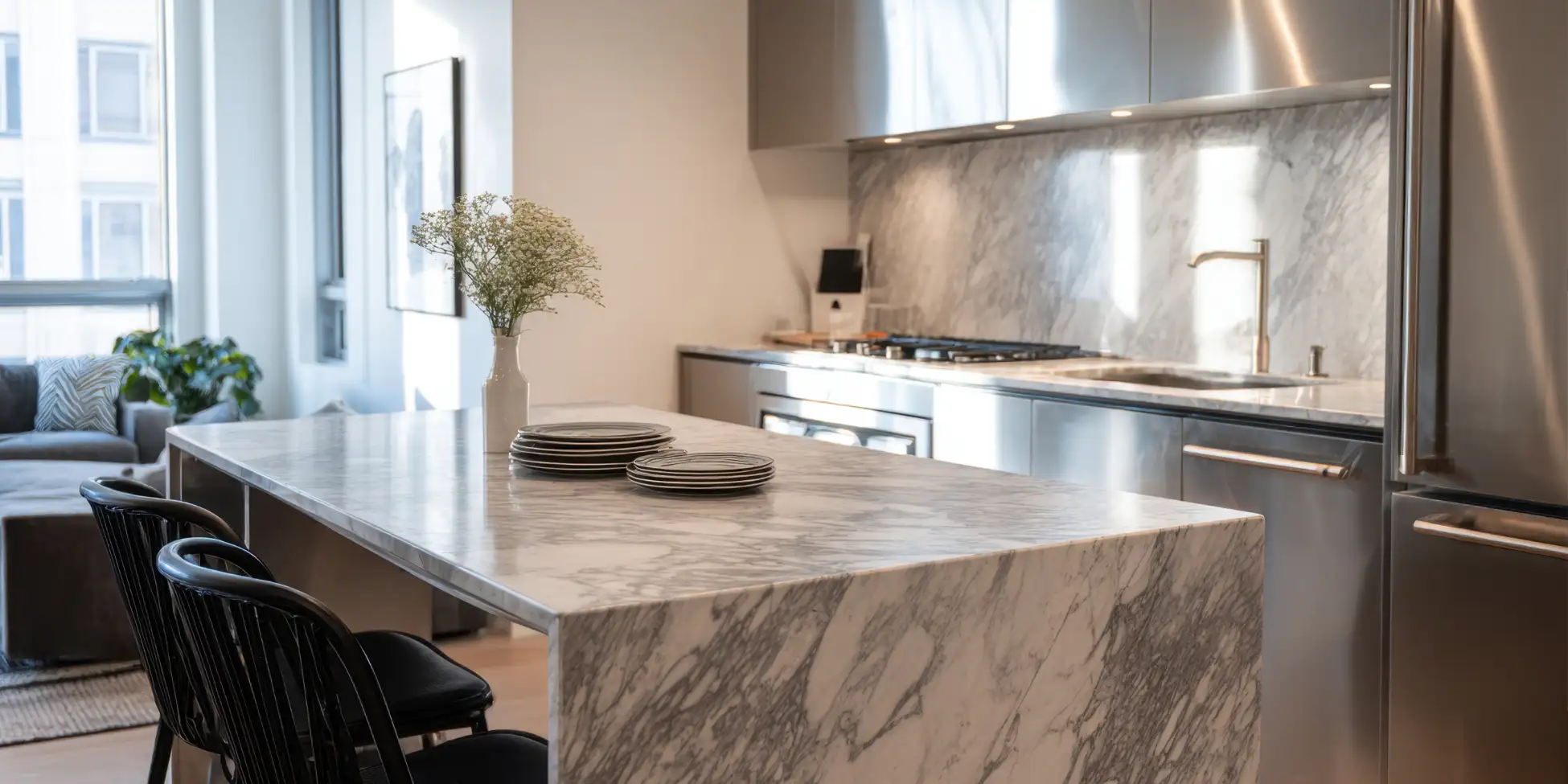
Porcelain countertops are available in styles ranging from understated solid colors and concrete-inspired finishes to dramatic patterns that recreate marble and other natural stone. Large-format slabs can create expansive, uninterrupted surfaces and allow homeowners to continue the same material across countertops, backsplashes, walls, and waterfall edges. This design flexibility is one of the reasons porcelain has become an alternative worth considering for modern kitchen and bathroom projects.
A homeowner who loves the dramatic veining of marble, for example, may be able to achieve a similar visual direction using porcelain while gaining a nonporous, low-maintenance surface. Porcelain also works well in contemporary spaces where thin profiles, large surfaces, wall cladding, and clean architectural lines are part of the design.
Can Porcelain Be Used in Bathrooms?
Yes. Porcelain can be used for much more than kitchen countertops. Depending on the specific product and application, large-format porcelain slabs can be used for bathroom countertops, vanity surfaces, shower walls, feature walls, and other surfaces where homeowners want durability, moisture resistance, and a cohesive design.
Using porcelain across multiple bathroom surfaces can also help create a more continuous, high-end appearance with fewer visual transitions between materials. If you're planning a bathroom renovation, use our Design Your Bathroom tool to explore different styles and visualize your space before making your final selections.
Why Does Professional Porcelain Fabrication and Installation Matter?
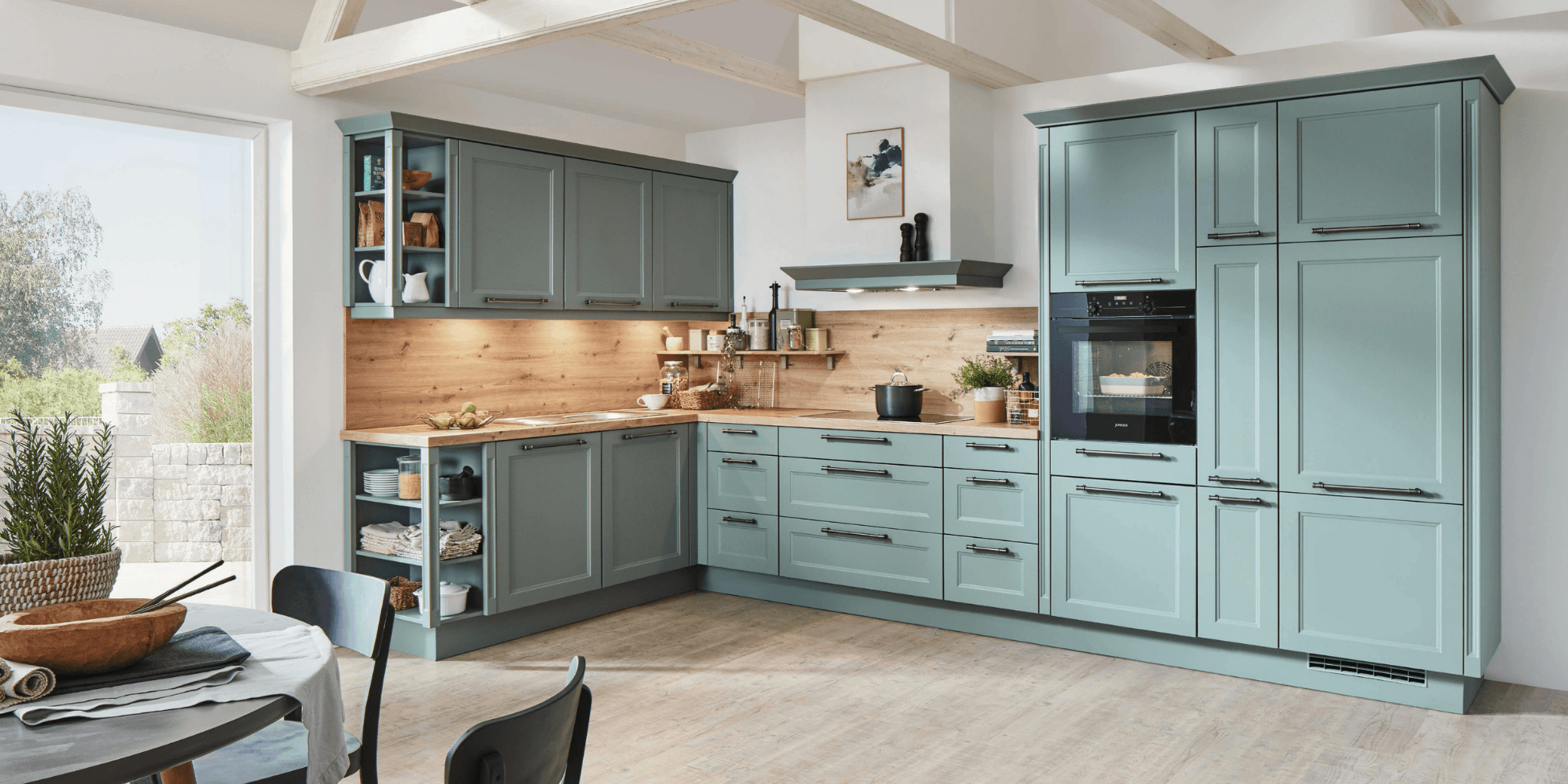
Porcelain countertop installation requires accurate measurements, careful handling, proper support, specialized fabrication, and attention to edges, seams, cutouts, and transitions. Choosing an experienced porcelain fabricator can be especially important for projects involving large-format slabs, waterfall islands, mitered edges, wall cladding, sinks, cooktops, or outdoor kitchens.
The countertop material is only part of the finished product. The quality of the fabrication and installation can significantly affect how the completed countertop looks and performs. At The Cabinet & Countertop Store, our team helps homeowners and businesses bring their projects from material selection through professional installation. Explore our cabinet and countertop services to learn more about the services available for kitchens, bathrooms, and custom projects throughout Tyler, TX and the surrounding East Texas area.
Is Porcelain the Right Countertop for Your Home?
Porcelain may be the right countertop for you if low maintenance, heat resistance, stain resistance, UV stability, and design versatility are high priorities. Quartz may make more sense for some indoor projects, while granite remains an excellent choice for homeowners who specifically want genuine natural stone.
Consider Porcelain If You Want:
- A low-maintenance, nonporous surface
- Excellent heat resistance
- Strong stain resistance
- A countertop suitable for indoor or outdoor use
- Marble or natural-stone-inspired designs
- Large-format design possibilities
- A material that generally doesn't require sealing
Consider Quartz If You Want:
- A low-maintenance indoor countertop
- Consistent patterns and colors
- Extensive design choices
- A nonporous surface
- A widely used material for kitchens and bathrooms
Not sure whether quartz or porcelain is the better fit for your kitchen? Explore our Tyler, TX quartz countertop guide for a deeper look at quartz countertop pricing factors, colors, pros and cons, care requirements, and professional installation.
Consider Granite If You Want:
- Genuine natural stone
- A completely unique slab
- Natural variation and movement
- Strong heat resistance
- A traditional or timeless stone countertop
The best way to choose isn't by looking at a material name online. Compare actual slabs, consider where the surface will be installed, and talk through how you use the space with an experienced countertop professional.

Frequently Asked Questions About Porcelain Countertops
Are Porcelain Countertops Better Than Quartz?
Neither material is universally better. Porcelain can have an advantage for applications involving high heat, UV exposure, or outdoor use. Quartz is also nonporous, stain resistant, low maintenance, and available in extensive designs, making it an excellent choice for many indoor kitchens and bathrooms. Your project's location and design requirements should guide the decision.
Are Porcelain Countertops Better Than Granite?
Porcelain generally requires less maintenance and provides excellent stain and UV resistance, while granite provides the authenticity and natural variation of genuine stone. Homeowners who prioritize easy maintenance and design consistency may prefer porcelain. Those who want a one-of-a-kind natural slab may prefer granite.
Can You Put Hot Pans on Porcelain Countertops?
Porcelain has excellent heat resistance, but following the care instructions for your specific slab is always recommended. Using a trivet or hot pad is a simple precaution that can protect the countertop and surrounding materials from sudden temperature changes and prolonged heat exposure.
Do Porcelain Countertops Need to Be Sealed?
Most porcelain slabs do not need routine sealing because porcelain is nonporous. This is one of the material's major maintenance advantages compared with porous natural stone. Grout or other materials used in a particular installation may have separate sealing requirements.
Are Porcelain Countertops Good for Outdoor Kitchens in Texas?
Porcelain can be an excellent choice for outdoor kitchens because of its resistance to UV exposure, heat, moisture, and stains. Those characteristics are particularly valuable in Texas outdoor living spaces exposed to intense sunlight and high temperatures. The specific slab should still be approved by its manufacturer for the intended outdoor application.
Are Porcelain Countertops Easy to Maintain?
Yes. Porcelain is nonporous and generally requires no routine sealing. Most everyday messes can be cleaned with a soft cloth or sponge and an appropriate cleaner. Avoid abrasive pads and harsh chemicals unless the manufacturer specifically approves them for your surface.
Can Porcelain Be Used for More Than Countertops?
Yes. Large-format porcelain slabs can be used for kitchen islands, backsplashes, shower walls, bathroom surfaces, fireplace surrounds, feature walls, wall cladding, outdoor kitchens, and some commercial applications. Using the same or complementary slab across several surfaces can also create a cohesive design.
Start Designing Your Kitchen
Once you've narrowed down your countertop material, the next step is seeing how it works with your cabinets, colors, and overall kitchen design. Use our Design Your Kitchen tool to explore different combinations and start visualizing your new space before making your final selections. Seeing countertops and cabinetry together can make it easier to narrow down colors, finishes, and overall design direction before you begin your project.
See Porcelain Countertops in Tyler, TX
Choosing between porcelain, quartz, and granite ultimately comes down to how you want your space to look, how you plan to use it, and how much maintenance you want to take on. For homeowners who want heat resistance, stain resistance, UV stability, low maintenance, and extensive design possibilities, porcelain countertops are an option worth seeing in person.
The Cabinet & Countertop Store specializes in porcelain slabs along with quartz, granite, quartzite, marble, cabinetry, fabrication, mitered edges, wall cladding, and professional installation. If you're planning a kitchen, bathroom, outdoor kitchen, or custom project in Tyler, TX or the surrounding East Texas area, visit The Cabinet & Countertop Store to compare materials in person and talk with our team about the right surface for your space.
Ready to explore porcelain for your project? Contact The Cabinet & Countertop Store to schedule a consultation and start planning your new space.